The Common Plantain: A Weed With Surprising Benefits
The Common Plantain: A Weed With Surprising Benefits
The common plantain is a humble weed that is often overlooked. But this unassuming plant has a long history of medicinal use, and it may offer a surprising number of health benefits.
In this blog post, we will explore the many potential health benefits of plantain, including its use for wound healing, insect bites, respiratory problems, and digestive issues. We will also discuss how to safely use plantain and potential side effects.
What is plantain?
Plantain is a common weed that is found in most parts of the world. It has broad, oval leaves that grow in a rosette shape, and a long, taproot. The leaves have a slightly bitter taste and a slimy texture.
There are two main types of plantain: broadleaf plantain (Plantago major) and narrow-leaved plantain (Plantago lanceolata). Broadleaf plantain is the more common type, and it is the one that is most often used for medicinal purposes.
Plantain's medicinal properties
Plantain has a long history of medicinal use. The leaves have been used to treat a variety of health problems, including:
- Wounds
- Insect bites
- Respiratory problems, such as coughs and bronchitis
- Digestive problems, such as diarrhea and constipation
- Urinary tract infections
- Skin conditions, such as eczema and psoriasis
The medicinal properties of plantain are attributed to its many active compounds, including:
- Mucilage: This slimy substance helps to soothe and protect the skin and mucous membranes.
- Flavonoids: These antioxidants have anti-inflammatory and antibacterial properties.
- Tannins: These compounds have astringent properties, which can help to reduce inflammation and bleeding.
- Saponins: These compounds have antibacterial and antifungal properties.
How to use plantain
Plantain can be used topically or internally. To use plantain topically, crush or chew the leaves and apply the juice to the affected area. You can also make a plantain poultice by mixing the crushed leaves with water or olive oil. To use plantain internally, you can make a tea by steeping the leaves in hot water for 10-15 minutes.
Potential side effects
Plantain is generally safe for most people when used appropriately. However, some people may experience side effects, such as:
- Allergic reactions
- Stomach upset
- Diarrhea
- Headache
- Dizziness
If you experience any side effects after using plantain, stop using it and talk to your doctor.
Conclusion
The common plantain is a humble weed that has a long history of medicinal use. It may offer a surprising number of health benefits, including wound healing, insect bites, respiratory problems, and digestive issues. Plantain is generally safe for most people when used appropriately, but some people may experience side effects. If you are considering using plantain, talk to your doctor first.
Common plantain, also known as Plantago major, is a common weed that can be found growing in lawns, fields, and roadsides. While it is often considered a nuisance, common plantain has a number of medicinal properties that have been used for centuries.
One of the most common uses for common plantain is to treat minor wounds and skin irritations. The leaves of the plant can be crushed and applied directly to the affected area to help promote healing and reduce inflammation. Common plantain can also be used to make a poultice, which is a moist compress made from the leaves of the plant. Poultices can be applied to boils, insect bites, and other skin problems.
In addition to its skin-healing properties, common plantain also has anti-inflammatory and antibacterial effects. This makes it a natural remedy for a variety of other health problems, including stomachache, diarrhea, and respiratory infections.
If you are interested in learning more about the medicinal properties of common plantain, I recommend visiting Garden Wiki. This website provides a wealth of information about the plant, including its history, uses, and potential side effects.
FAQ of common plantain
- What is common plantain?
Common plantain is a low-growing, broadleaf weed that is found in most parts of the world. It has long, narrow leaves that grow in a basal rosette, and a single flower stalk that can grow up to 12 inches tall. The flowers are small and white, and they bloom in the summer.
- What are the health benefits of common plantain?
Common plantain has a number of potential health benefits, including:
* Wound healing: The leaves of common plantain contain mucilage, which is a type of fiber that has soothing and anti-inflammatory properties. This makes plantain leaves a traditional remedy for cuts, scrapes, and insect bites.
* Diarrhea: The leaves of common plantain can also be used to treat diarrhea. The mucilage in the leaves helps to bind stool and slow down digestion.
* Constipation: The leaves of common plantain can also be used to treat constipation. The fiber in the leaves helps to bulk up stool and make it easier to pass.
* Inflammation: The anti-inflammatory properties of common plantain can also be helpful for conditions such as arthritis and asthma.
* Allergies: The leaves of common plantain can also be used to relieve allergy symptoms such as hay fever and hives.
- Is common plantain safe to eat?
Yes, common plantain is safe to eat. The young, tender leaves can be eaten raw, and the older, stringier leaves can be boiled or steamed. The seeds are also edible. However, ingesting large quantities of plantain can cause a drop in blood pressure.
- How can I use common plantain?
Common plantain can be used in a variety of ways, including:
* As a topical treatment: To use plantain as a topical treatment, crush the leaves and apply them to the affected area. You can also make a plantain poultice by mixing the crushed leaves with water or honey.
* As a tea: To make a plantain tea, steep 2-3 teaspoons of dried plantain leaves in 1 cup of hot water for 10-15 minutes. Strain and drink.
* As a capsule: Plantain is also available in capsule form. The dosage will vary depending on the product, so be sure to follow the directions on the label.
Image of common plantain
5 different images of common plantain from Pinterest:
- A close-up of a single common plantain leaf. The leaf is dark green and has a smooth, glossy surface. There are several parallel veins running down the length of the leaf.
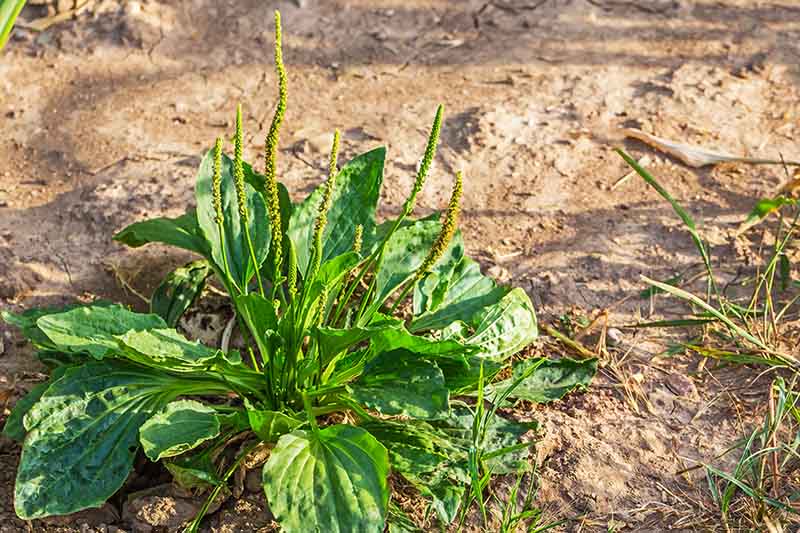
- A cluster of common plantain plants growing in a garden. The plants are about knee-high and have broad, oval leaves. The leaves are a dark green color and have a slightly wavy edge.
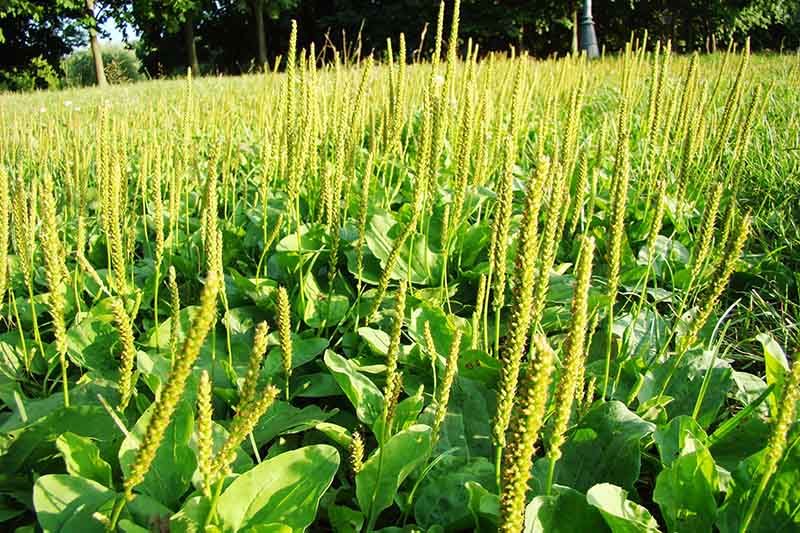
- A field of common plantain plants. The plants are in full bloom and have yellow flowers. The flowers are clustered at the top of the plant and have a three-petaled shape.

- A close-up of a common plantain flower. The flower is about 1 inch in diameter and has three yellow petals. The petals are slightly cupped and have a ruffled edge.
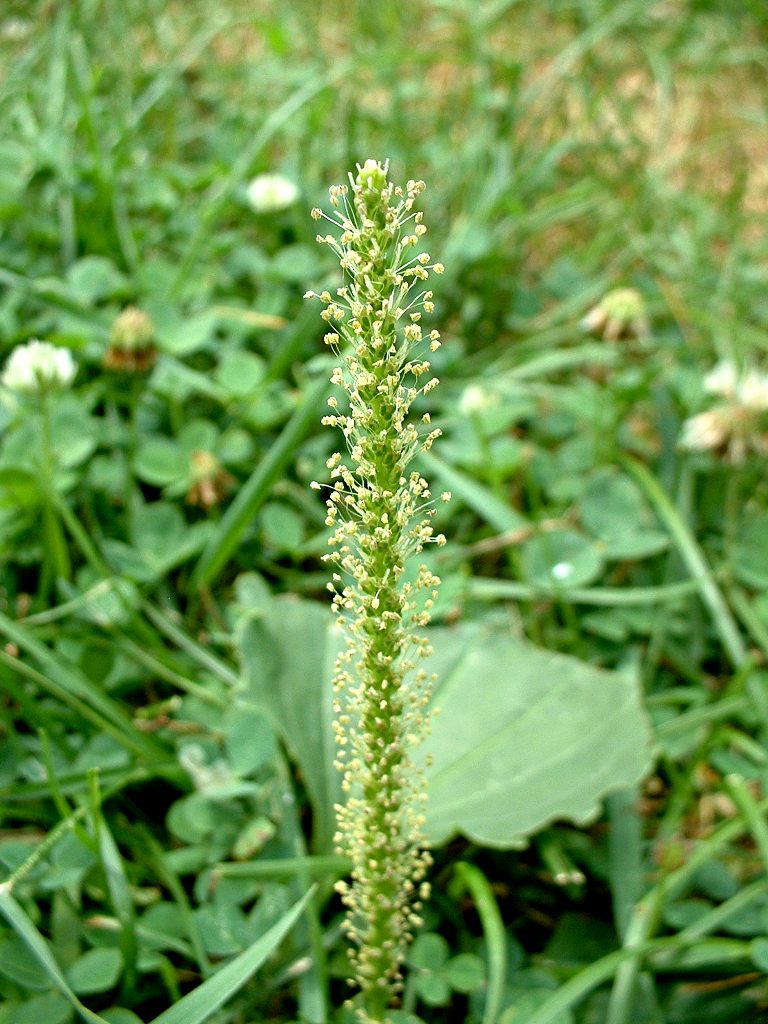
- A slice of ripe plantain fruit. The fruit is about 6 inches long and has a yellow skin. The flesh of the fruit is soft and has a sweet taste.


Post a Comment for "The Common Plantain: A Weed With Surprising Benefits"